Seismic wire rope, commonly known as geophysical cable or seismic cable, plays a crucial role in the oil and gas industry, as well as in seismic exploration activities. This specialized type of wire rope is designed to withstand the harsh conditions of seismic surveys and ensure reliable data collection. In this article, we will delve into the world of seismic wire rope to understand its composition, applications, and importance in the field of geophysical exploration.
Composition of seismic wire rope
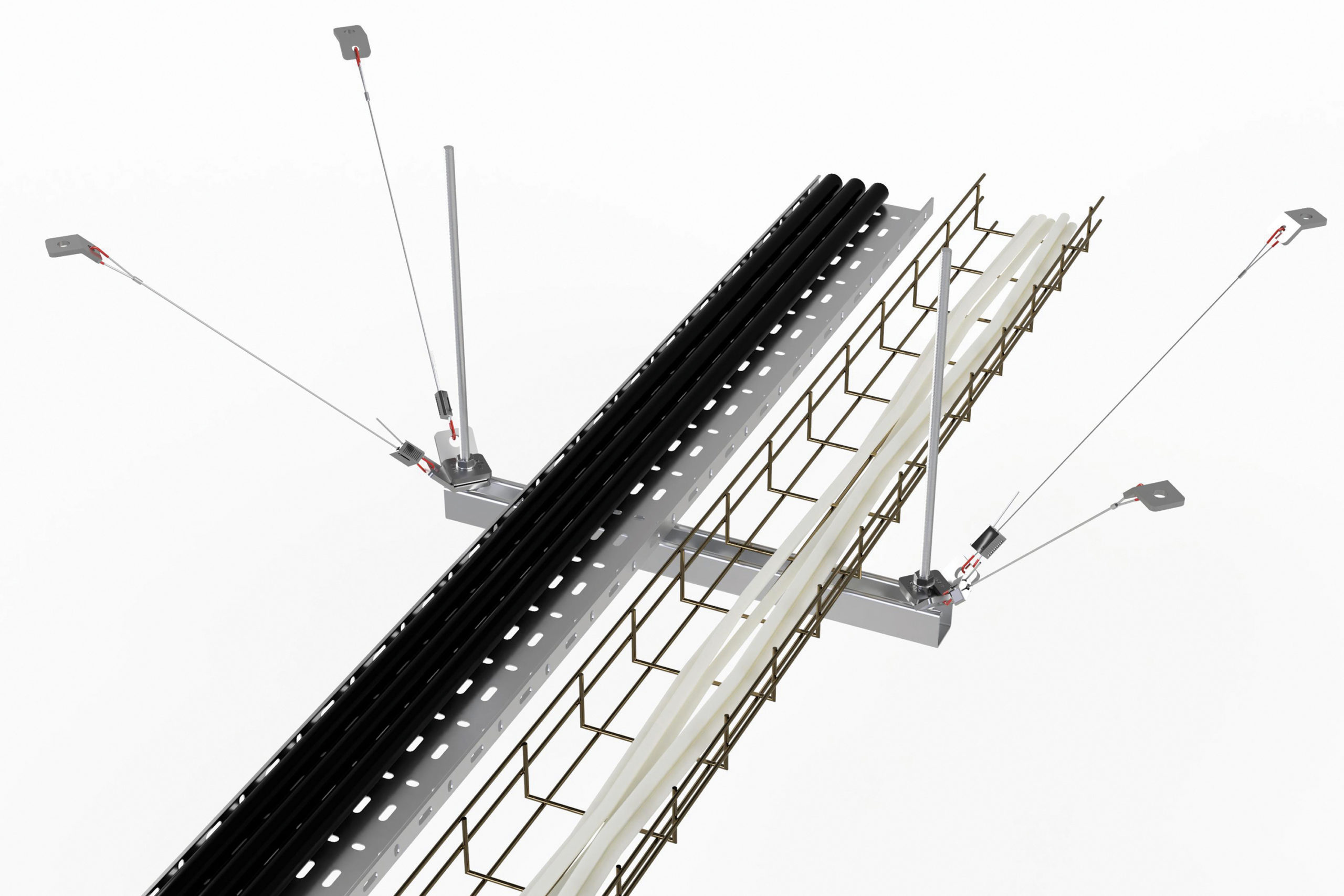
Seismic wire rope is typically made of high-strength steel wires wound together to form a durable and flexible cable. These cables are engineered to withstand heavy loads, extreme temperatures, and corrosive environments commonly encountered during seismic operations. The wires are twisted and braided in a specific pattern to enhance their strength and flexibility, allowing them to endure the rigorous demands of seismic exploration.
In addition to steel wires, seismic wire ropes may also incorporate specialized coatings or materials to enhance their performance. These coatings can provide additional protection against abrasion, corrosion, and wear, further extending the lifespan of the cable in harsh operating conditions. Overall, the composition of seismic wire rope is carefully optimized to ensure reliability, durability, and flexibility in demanding geophysical applications.
Applications of seismic wire rope
Seismic wire rope plays a critical role in various applications within the oil and gas industry, particularly in seismic exploration activities. One of the primary uses of seismic cable is in the deployment of seismic sensors, known as geophones or hydrophones, for data acquisition purposes. These sensors are attached to the wire rope and deployed along the seabed or land surface to capture seismic waves generated by controlled energy sources.
The seismic wire rope serves as the backbone for these sensor arrays, providing support, stability, and connectivity for the sensors during data collection. The cables are carefully laid out in intricate patterns to ensure proper spacing and coverage of the survey area, allowing for accurate recording of seismic signals. The data collected by these sensors is then processed and analyzed to create detailed subsurface images and maps for oil and gas exploration.
Apart from seismic data acquisition, seismic wire rope is also used in other geophysical applications such as borehole seismic surveys, marine seismic surveys, and seismic refraction surveys. These surveys involve different configurations and requirements for the wire rope, but the underlying principle remains the same – to provide a reliable and robust platform for collecting accurate seismic data.
Importance of seismic wire rope
Seismic wire rope plays a crucial role in ensuring the success and accuracy of seismic exploration activities in the oil and gas industry. The reliability and durability of the wire rope are essential for maintaining data integrity and quality during seismic surveys. A failure or malfunction of the cable can result in data loss, equipment damage, and costly downtime, impacting the overall efficiency and effectiveness of the exploration project.
Furthermore, the design and composition of seismic wire rope directly influence the performance and longevity of the cable in harsh operating environments. The ability of the wire rope to withstand heavy loads, abrasive conditions, and extreme temperatures is essential for prolonged use in seismic surveys. As such, choosing the right type of seismic cable with the appropriate strength, flexibility, and protective features is critical for ensuring the success of geophysical exploration projects.
In conclusion, seismic wire rope is a vital component in the field of geophysical exploration, providing the support, connectivity, and reliability needed for capturing accurate seismic data. The composition, applications, and importance of seismic cable highlight its essential role in oil and gas exploration activities. By understanding the unique properties and requirements of seismic wire rope, geophysical companies can maximize the efficiency and effectiveness of their seismic surveys, ultimately leading to more successful exploration projects.